
On November 18, 2026, Voyager 1 became the first spacecraft ever to reach a full light-day from Earth. A message sent to it now takes a full 24 hours to arrive. It launched from right here on the Space Coast in 1977, and nearly 50 years later it’s still working.

That same afternoon, just down the coast from where it launched, I started building ours, the Remembrance spacecraft.
This is the first episode of The Build, where I’ll show you every step of putting together the Remembrance spacecraft that carries families’ loved ones to orbit.
What arrived
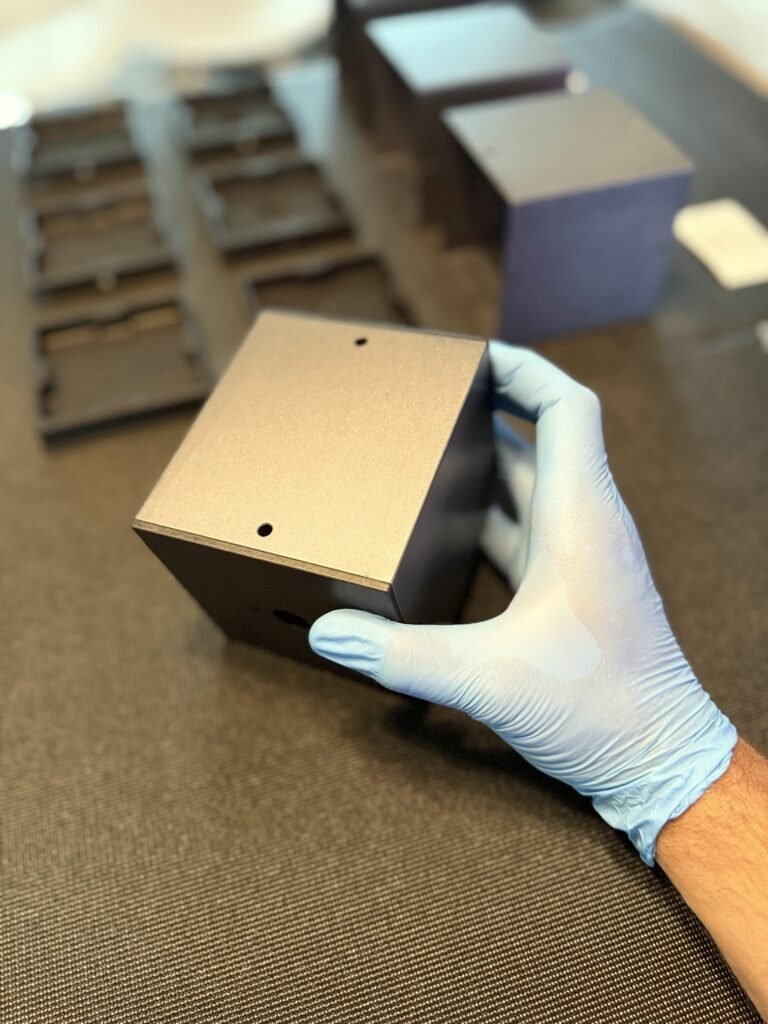
The parts for our spacecraft are here. For months, Remembrance lived only in my head and in sketches. Then, in CAD and drawings. Now it’s on my bench, and I can pick it up.
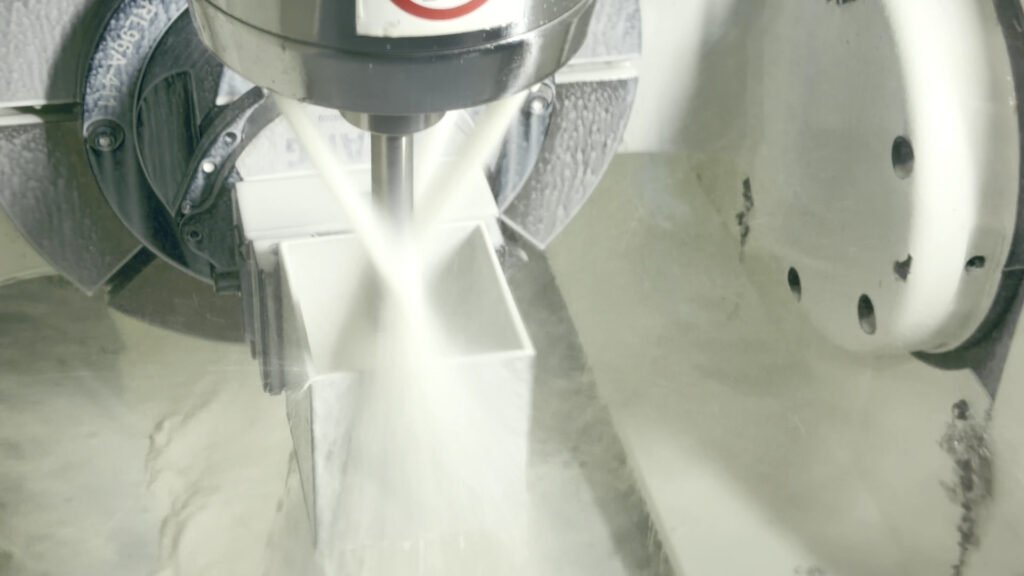
East Coast Machine in Cocoa, Florida, just up the road, machined the structural parts from aluminum alloy. They’re certified to ISO 9001:2015. That’s an international standard for quality management. In plain terms, they work to a documented, audited system, so every part is made, checked and recorded the same way.
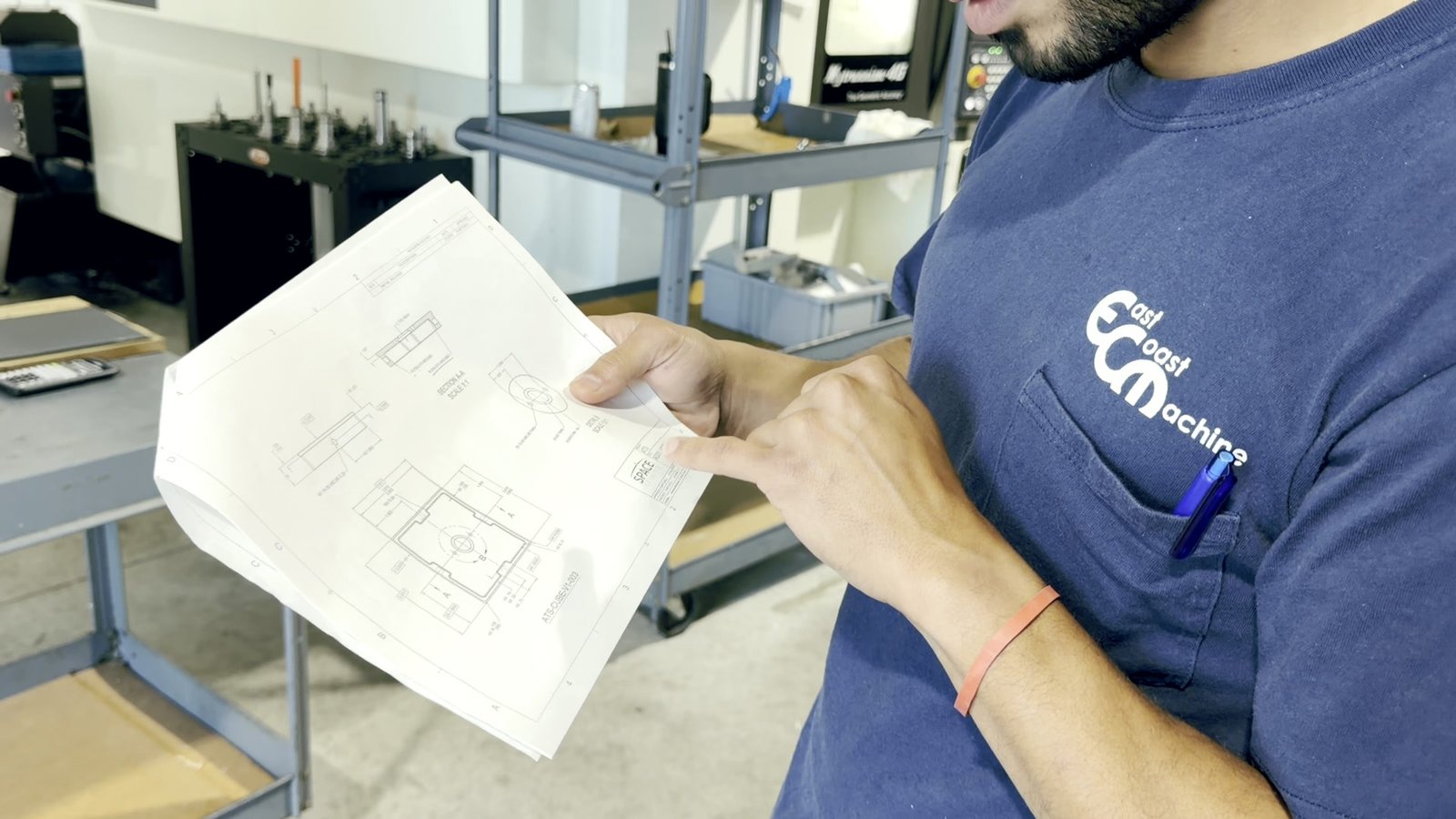
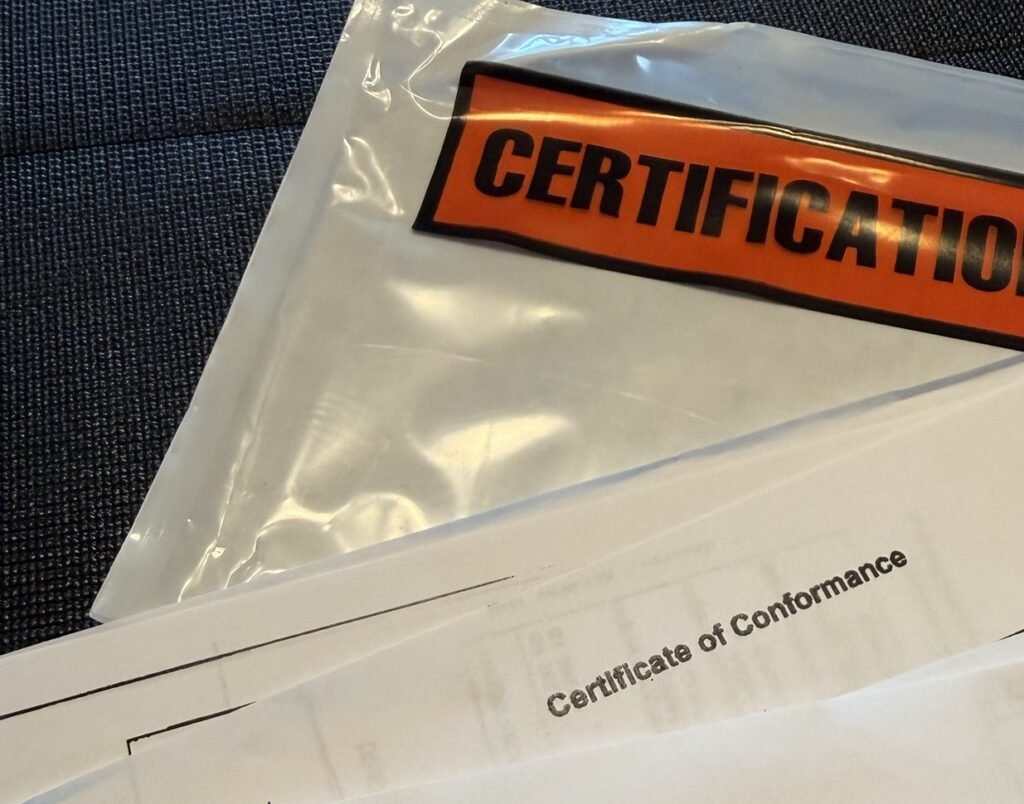
I picked up some of the smaller parts, such as screws and washers, from a local aerospace supplier. Every part arrived with its certification paperwork, and that paperwork follows the hardware all the way to launch.
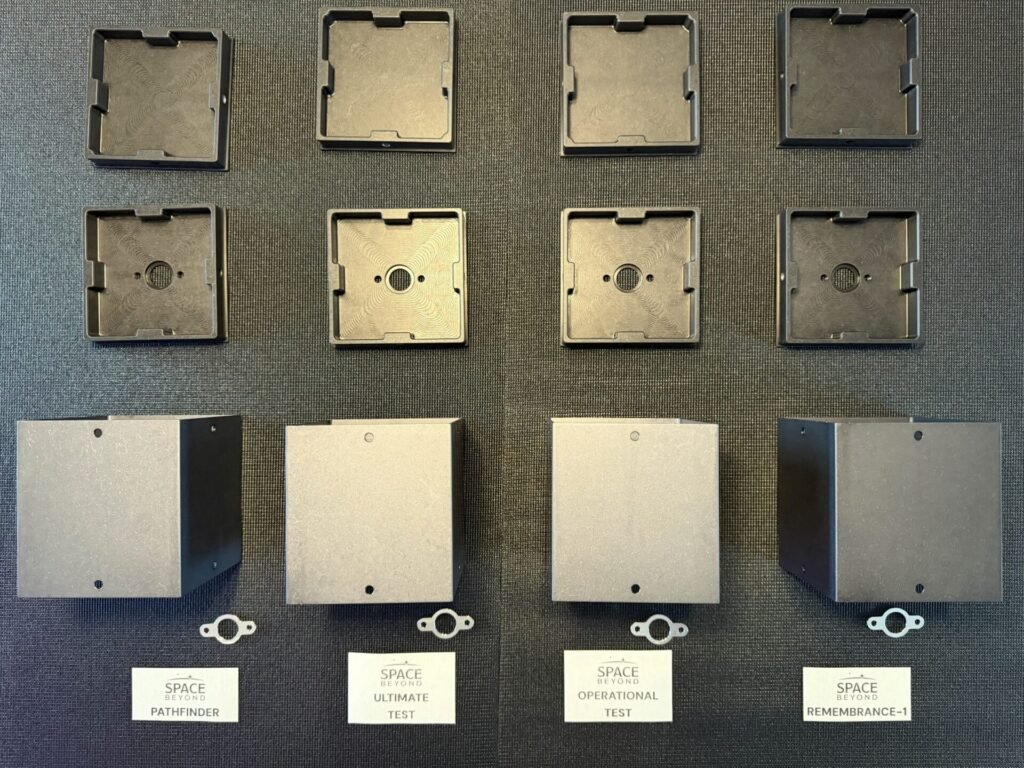
We received structural parts for at least 14 spacecraft. Fabricating more at once gives us a head start on future missions and brings the cost of each one down, enabling our mission to make space accessible to everyone for many years to come.
How big is it?
When it’s finished, Remembrance will essentially be a cube, about 4 inches on a side. That’s smaller than a football. But, when fully filled, it’ll weigh almost five pounds, about as much as five footballs.
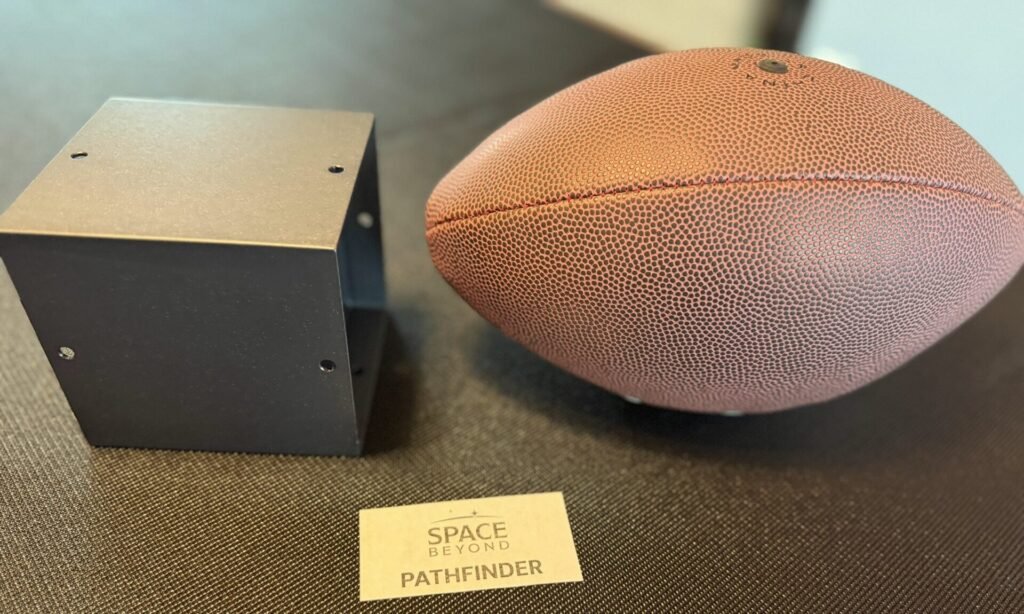
It has room for 1,000 Ashtronauts, people and pets, in two dedicated compartments. Each Ashtronaut’s Celestial Tribute (symbolic portion of ashes) is about a gram, integrated and sealed inside.
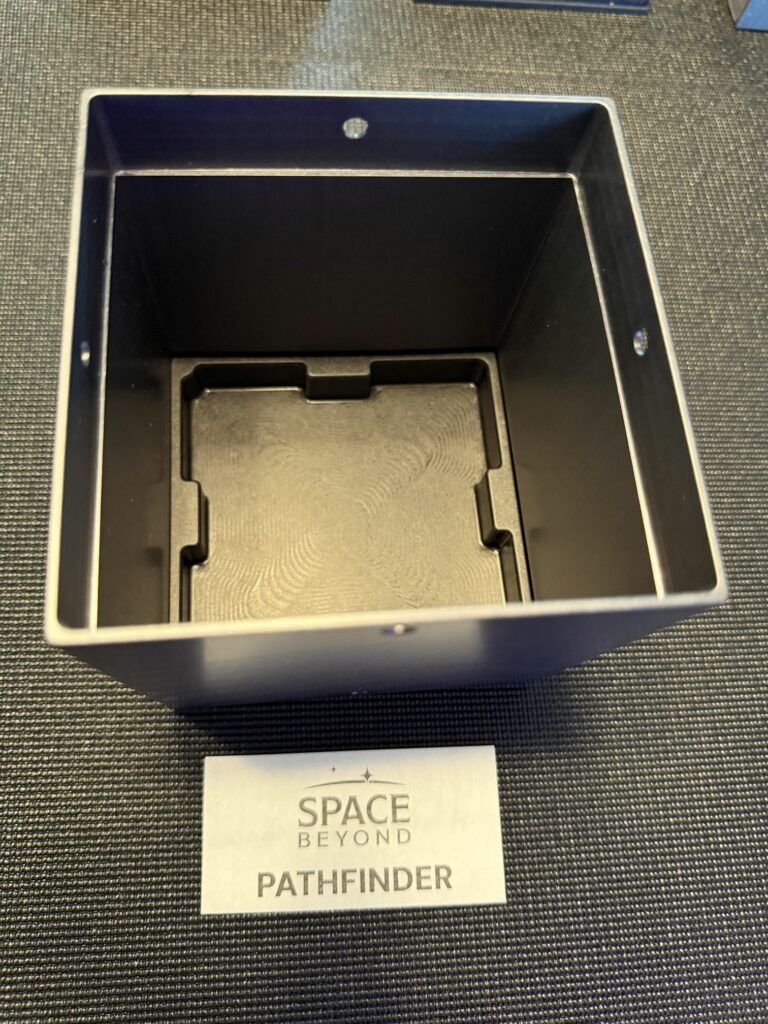
This is where they go. Right now it’s empty. Next year, it won’t be.
Four spacecraft, one flight
For this initial production run, I’m assembling four spacecraft, one after another. The last one flies.
Remembrance Pathfinder. My practice build. I’ll use it to work out every assembly step by hand, before anything else gets built.
Remembrance Ultimate Test. This one gets tested until it breaks. On purpose. Sometime in early 2027, I’ll push it to its ultimate strength. That tells us exactly how much margin the design has. I’ll film it.
Remembrance Operational Test. It goes through the same kinds of tests ahead of time, so the formal qualification tests hold no surprises.
Remembrance-1. The flight spacecraft. Engineers call it a protoflight unit: it goes through full qualification testing, run by our launch integrator, Arrow Science & Technology, and then it flies.
The test units carry no ashes. They’re tested empty or with sand standing in. They exist so any problems get found on the ground, on my bench, long before launch.
Who’s assembling it
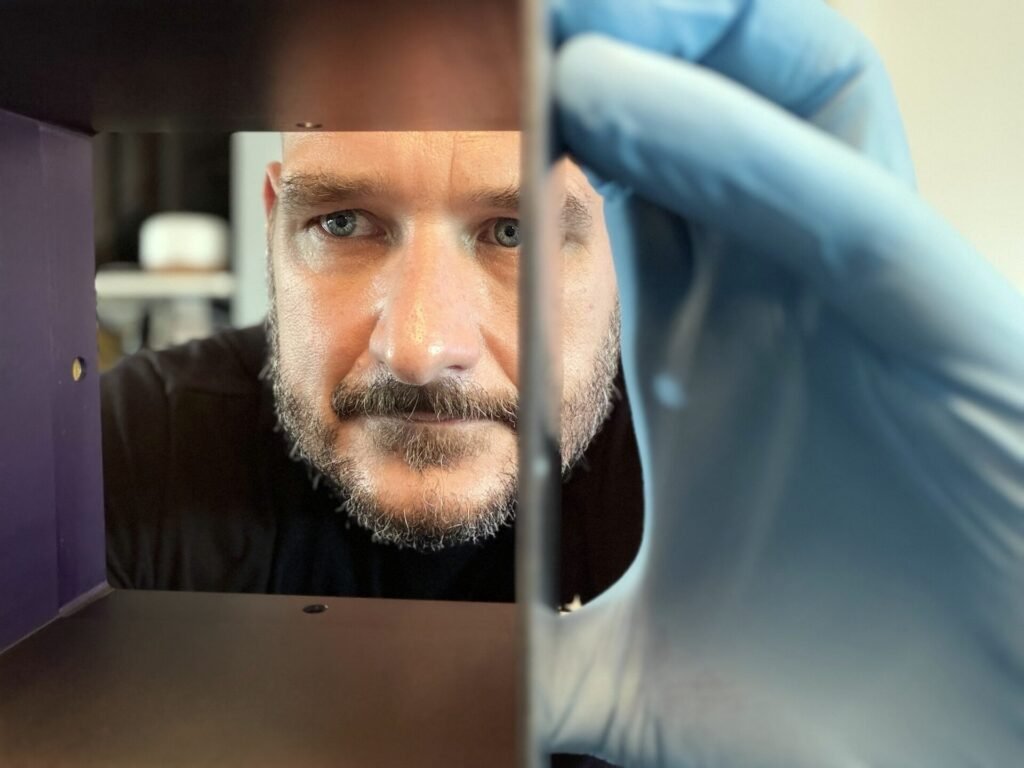
Me. Ryan. The person who answers your emails is the person building your spacecraft.
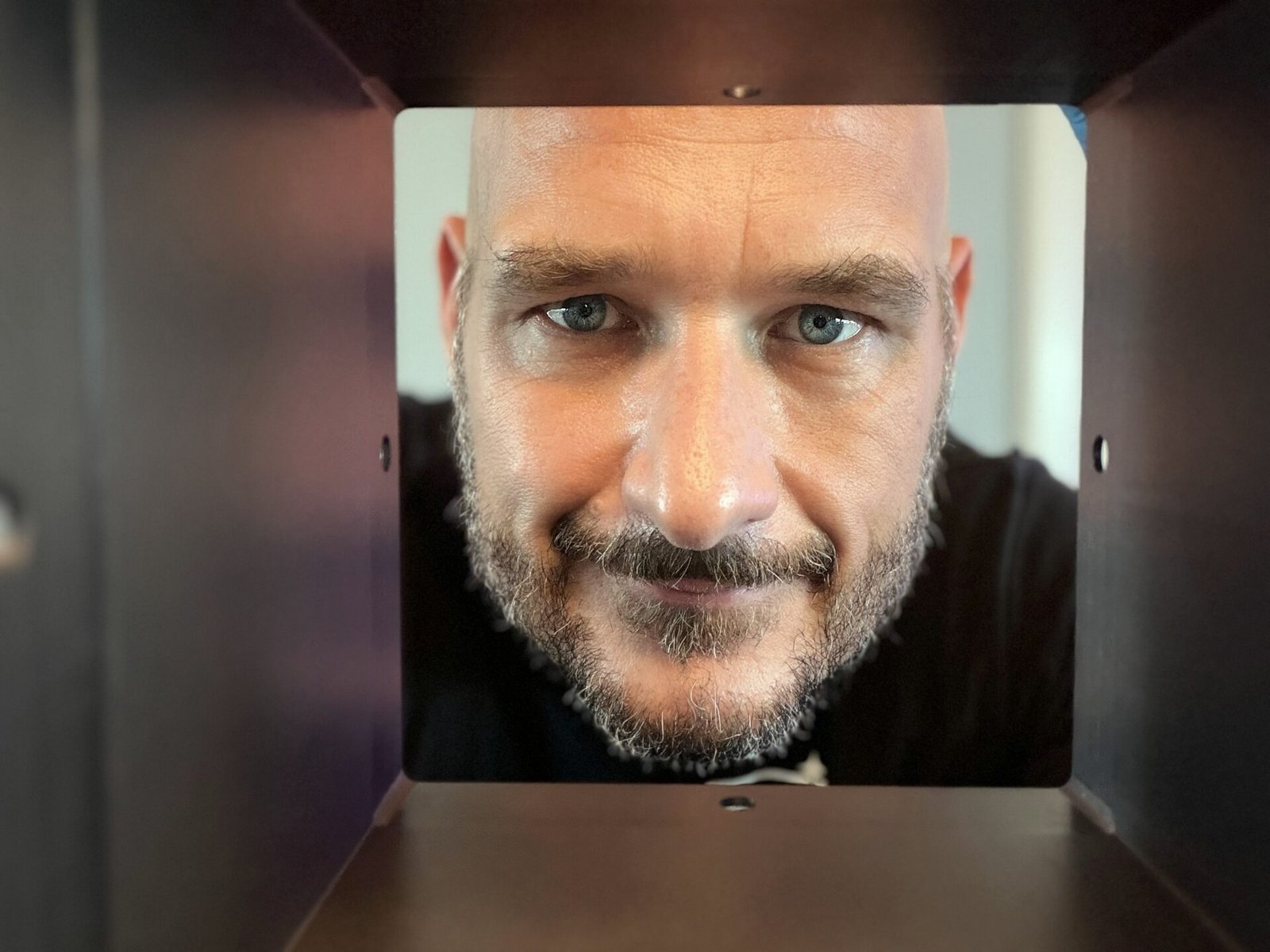
I’ve been writing assembly and test work instructions for most of my career: on the Space Shuttle program, at Embraer and at Blue Origin. Designing, building, testing and flying space hardware is my wheelhouse. At Embraer, we delivered a new aircraft every 2 to 3 days, every one built from written instructions. I’m a SpaceTEC Certified Aerospace Technician. A colleague of mine, a licensed professional engineer, turned our design into detailed CAD drawings.
As I build the Pathfinder, I’m writing down every step as a work instruction. What goes where, in what order, checked how. It sounds tedious, and some days it will be. But when it’s time to build Remembrance-1, nothing is left to memory.
Voyager’s message, and ours
Voyager carries a golden record, a message from Earth for whoever finds it. It says, in its way, we were here.
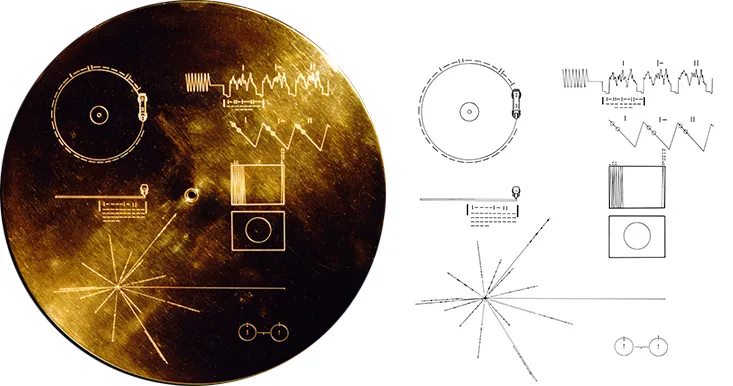
Remembrance carries a message too, from every family on board. They were here.
Where things stand
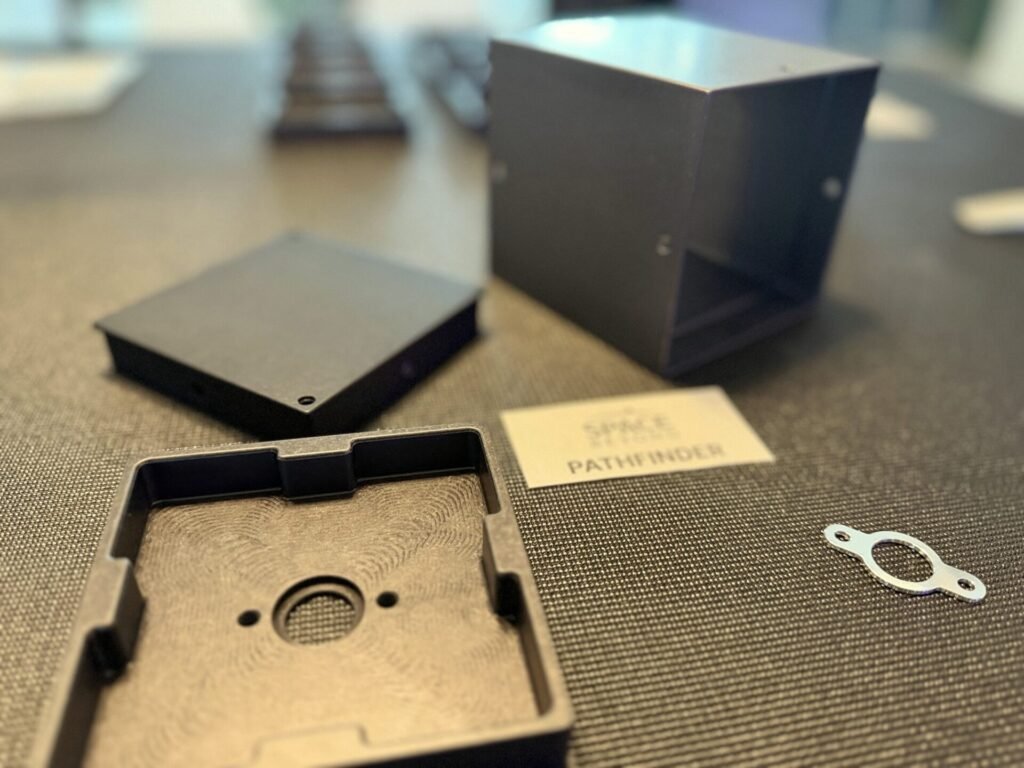
Remembrance is a 1U CubeSat. It’s secured on Arrow Science & Technology’s fifth rideshare mission, Transporter-22, scheduled to launch aboard a SpaceX Falcon 9 rocket in October 2027. It deploys from Arrow’s XTERRA XCD deployer into a sun-synchronous orbit at about 550 kilometers.
It orbits for about five years. Then it reenters. We won’t know exactly when or where, so it is unlikely any of us will be watching at that exact moment. It happens all the same, one last journey across the sky.
If the spacecraft doesn’t reach orbit, we offer to fly another portion of each Ashtronaut’s ashes on the next available mission, at no additional charge.
Families can still reserve a spot. There is available space and time to get on this first mission before we need to seal the spacecraft up in Summer 2027.
A thank-you to East Coast Machine
The team at East Coast Machine cares about making space accessible to everyone, and they did a phenomenal job on our parts. If you need precision machining, they’re worth a call at (321) 632-4817, or visit their website at: eastcoastmachine.net.
What’s next
Before Christmas: the Pathfinder, put together.
Early 2027: the Ultimate Test, and I break it on purpose.
Follow The Build. Sign up to get each new episode by email: photos from the bench, the tests, and the day Remembrance-1 ships to Arrow.
If you’re ready to reserve a spot for someone you love, here’s how Ashes to Space works.
To the stars,
Ryan
Pingback: The Build: Making the Remembrance Spacecraft | Space Beyond