
Several folks have asked me to share more about my personal journey that led me to starting Space Beyond, so here goes: how I became the Space Beyond founder.
There’s a photo my parents still have from a Halloween I was too young to remember. A homemade rocket costume built out of whatever my mom could piece together: a poster board cone hat, a cut-up trashcan for the body, and a grass skirt playing the part of the flames underneath. A bit small for a Saturn V, but we tried.
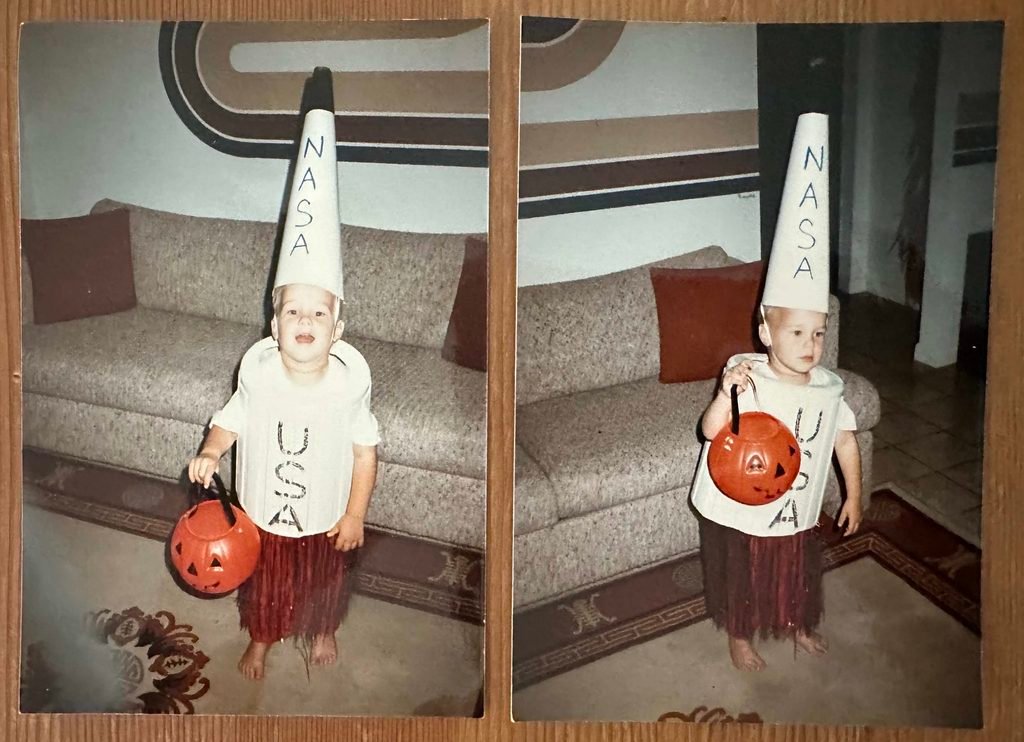
Looking Up
What I do remember from those early years starts a little later. A scale model of the solar system on my bedroom ceiling, every planet in its proper orbit, glow-in-the-dark and shining bright in the dark long after the lights went out. Pluto included, of course.
I built model rockets in the garage and biked them over to the neighborhood park to launch them, paper tubes and balsa fins going up into the air, sometimes coming down in one piece. Usually not.
When I was around 9, my mother drove us to Kennedy Space Center to watch a Shuttle launch. I remember spending a hot Florida night in the back seat of her minivan on the side of the NASA Causeway, counting down the hours to a pre-dawn launch. Although I didn’t know it at the time, over a decade later I would begin my career at a facility just 2 miles East of that spot.
Soon after, my brother and I wired our room for sound, surround sound. Serious surround sound. More speakers than two kids had any business owning. But not just for music. We optimized for one specific recording: the Saturn V launch from Apollo 13, turned up loud enough to crack the plaster on our ceiling and rattle the glasses off a shelf in the next room. My mom was not happy, my dad tried to hide his amusement.
That kind of obsession is supposed to fade. Mine just grew up.
Building Other People’s Rockets
Coming out of college, I had three job offers. Two were with engineering design firms doing jet engine contract work. The third, with United Space Alliance on the Space Shuttle program, paid less than the other two. But I would be working on actual space hardware.
It also offered something the engine jobs couldn’t match: a chance to moonlight as a professional diver, pulling the Solid Rocket Boosters out of the ocean after every launch. That was the deciding factor.
I started one week after graduation.
United Space Alliance
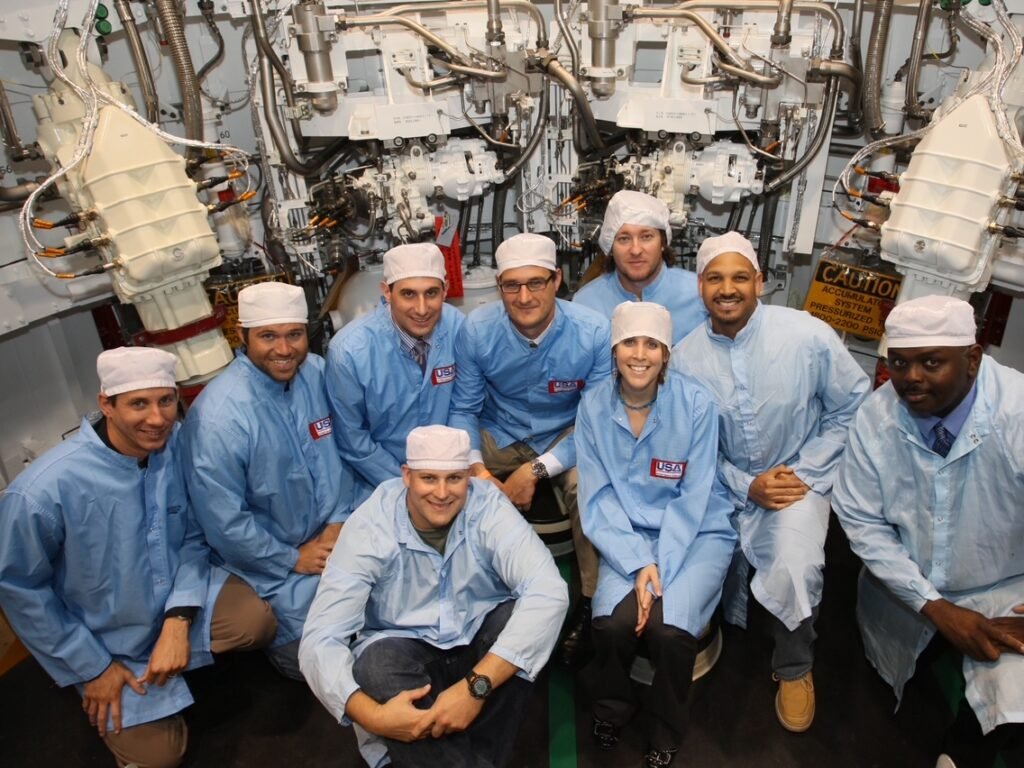
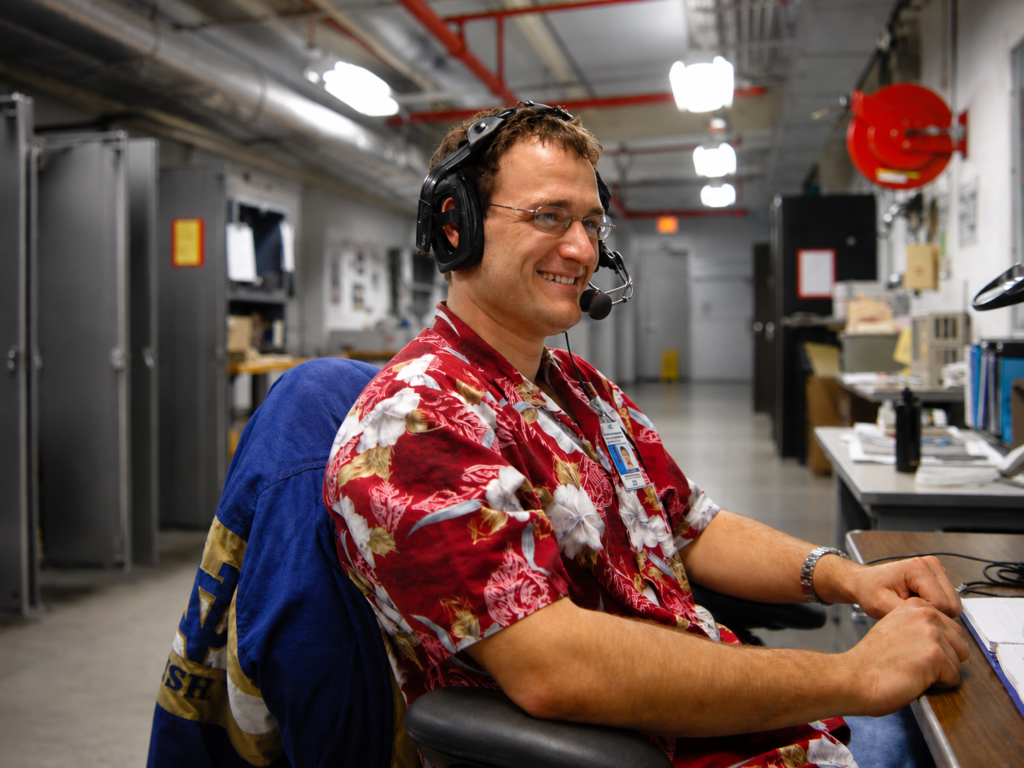
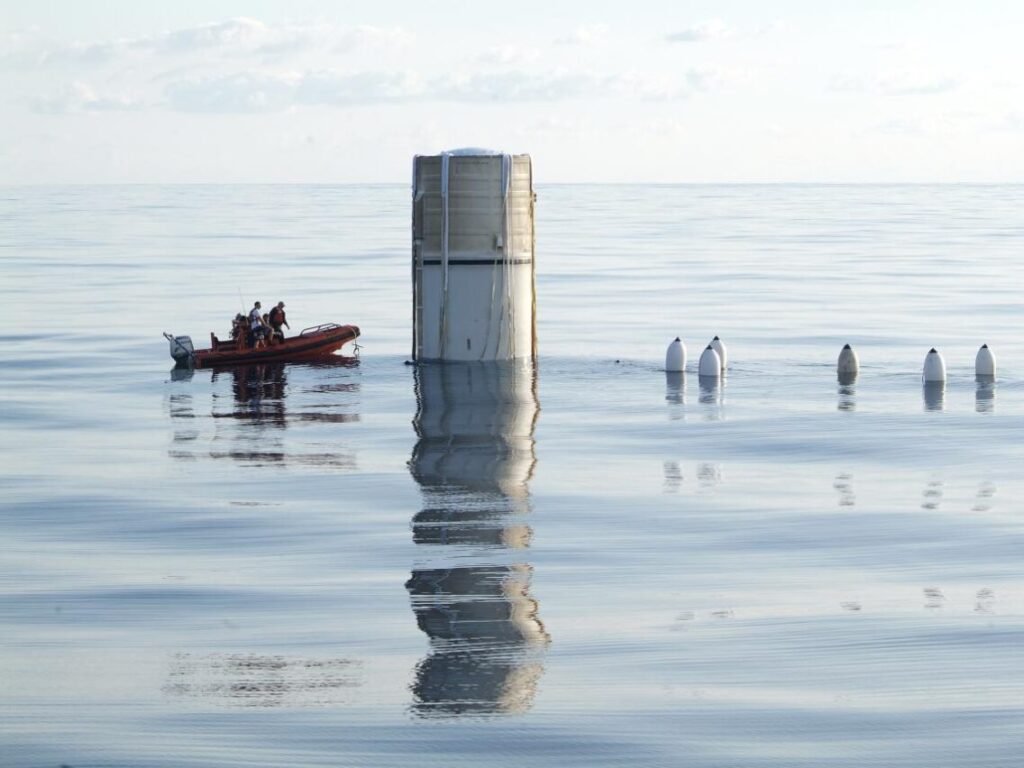
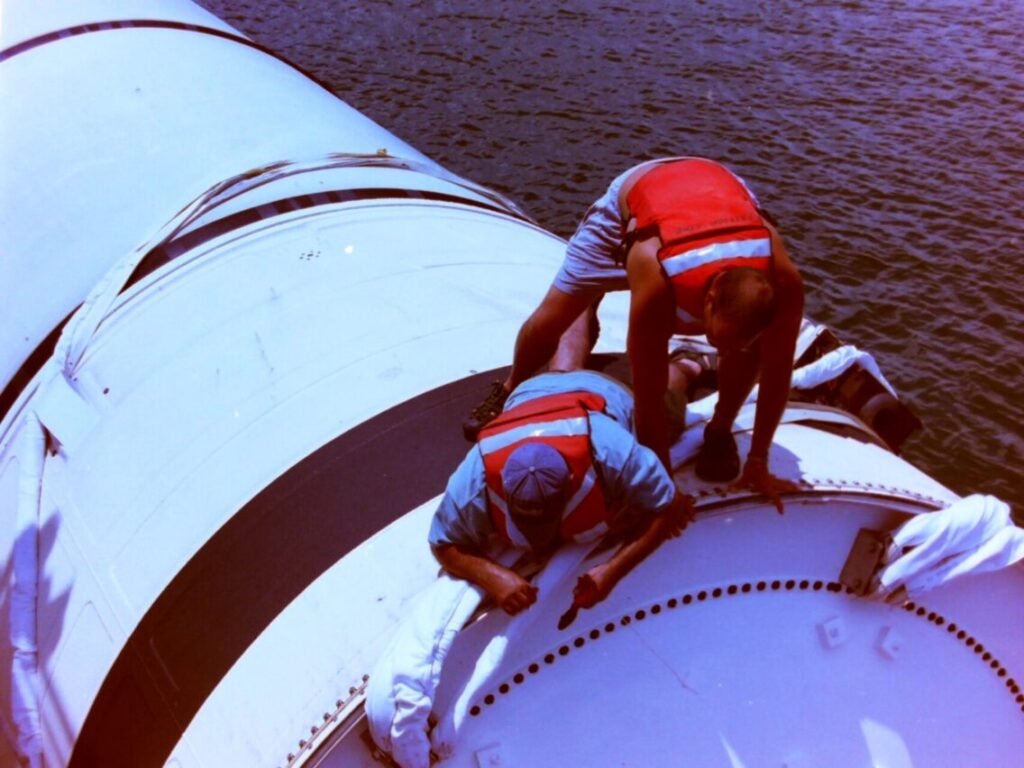
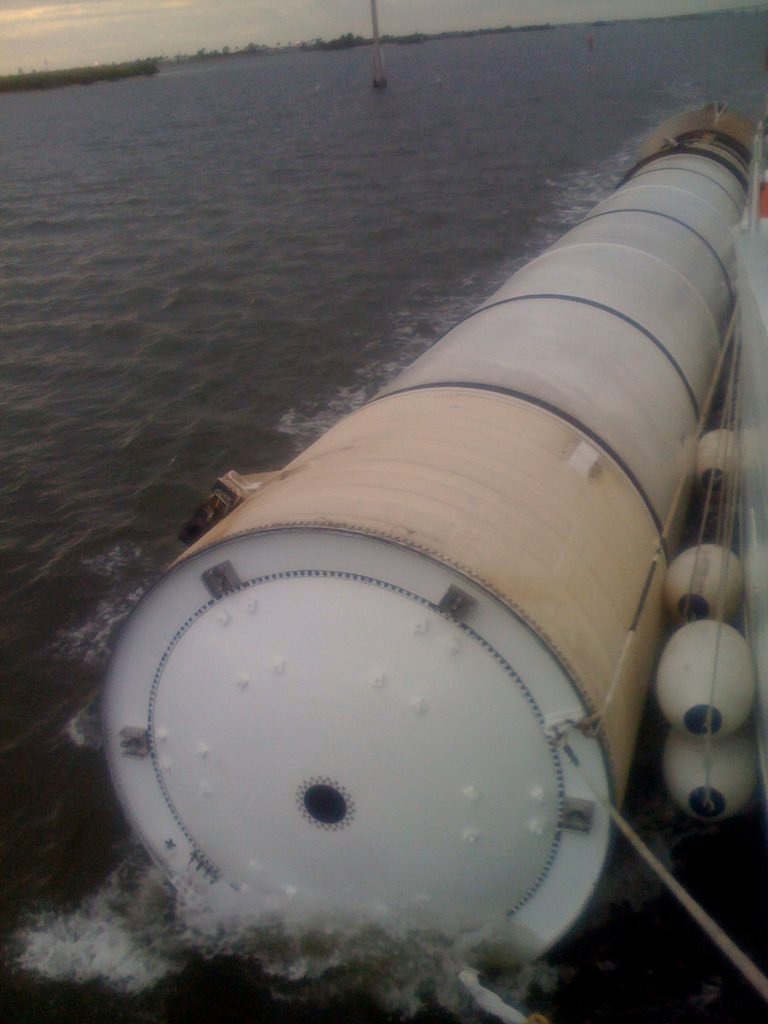
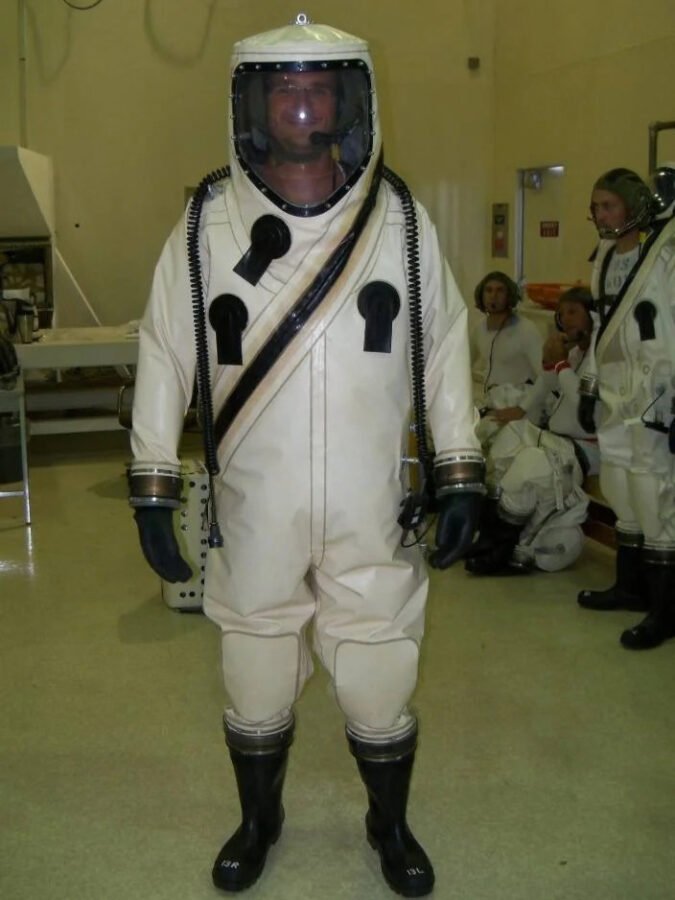
I spent those years refurbishing the boosters so they could fly again, and working on Ares, the early version of what eventually became Artemis. There I learned the art and value of “doing it right,” with intention and rigor. In spaceflight, there is almost no room for error.
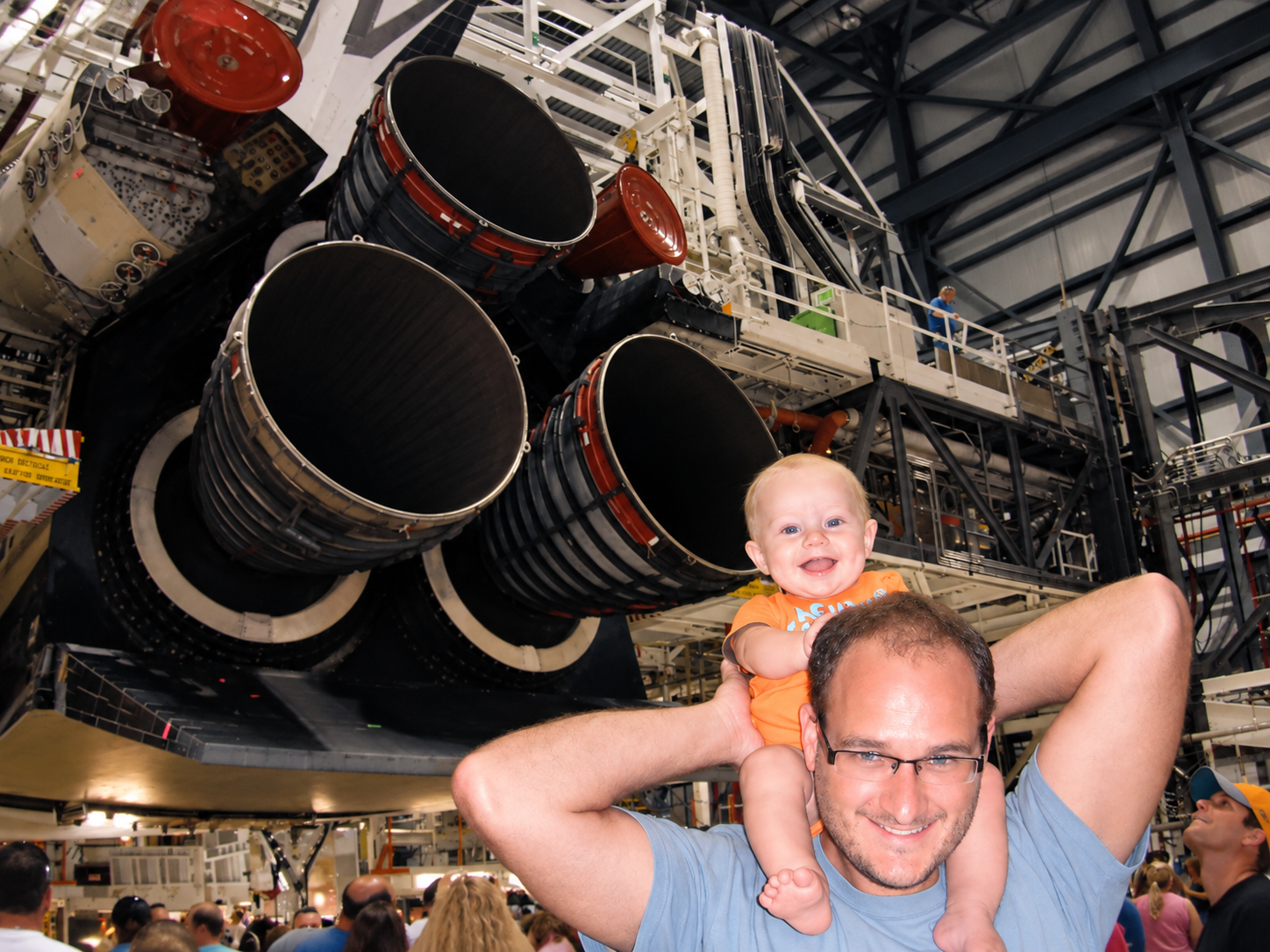
Embraer Executive Aircraft
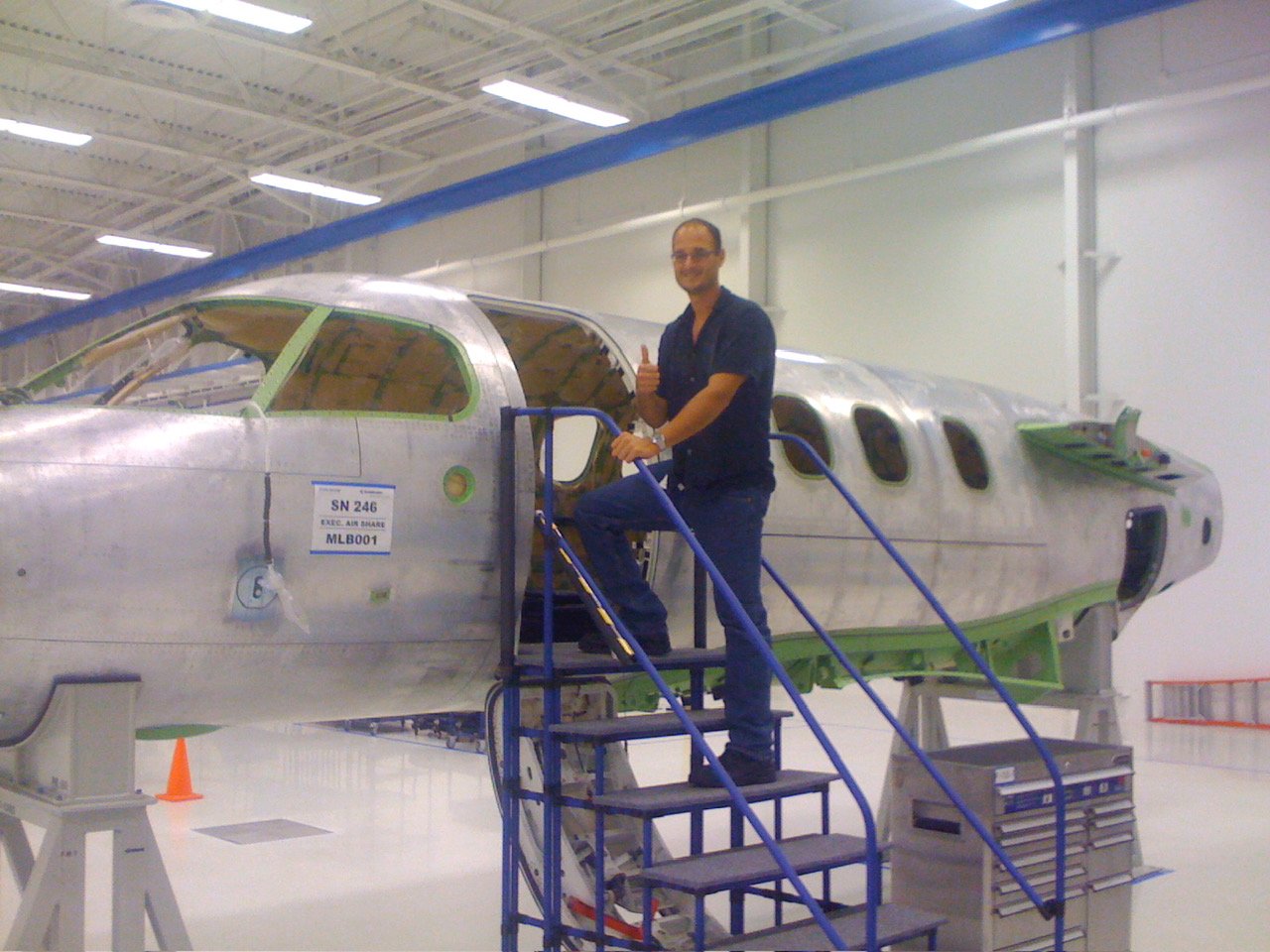
From there I went to Embraer Executive Aircraft, employee number eight, one of the first engineers building a brand new manufacturing plant, the company’s first outside Brazil. I did a little bit of everything. Wrote the work instructions. Bought the tools. Laid out the factory floor. Taped the stripes on the concrete myself. Somewhere in there I found the thing I was really good at: launching new product lines, turning concepts into reality.
Blue Origin
Blue Origin came into my life almost by accident. I was in the car with my wife and kids, driving down to Miami for a Memorial Day weekend with family, listening to her read me an NPR piece about how the Space Coast was turning into the Aerospace Coast. Near the bottom of the article there was a small mention that Jeff Bezos’ Blue Origin was building a rocket factory at Kennedy Space Center. I had never heard of Blue Origin before. My wife pulled up their website and read me what she found. There was an opening that sounded like every part of my career I’d thoroughly enjoyed, stitched together into one job. We pulled over and switched seats so I could dig into it properly. I applied that weekend. Got the job.
I came in as employee number three in the manufacturing group in Florida, back when the whole operation could fit in a couple rooms on a single floor of nondescript rented office space, everybody knew everybody’s name, and the snack section was perpetually stocked with ice cream and Red Bull. Blue Origin, especially in those early years, was something else. A small team, absolutely mission-driven, genuinely brilliant people – legitimate rocket scientists, all pointed at the same goal: “millions of people living and working in space.” We were bent on the notion of making space accessible for everyone.
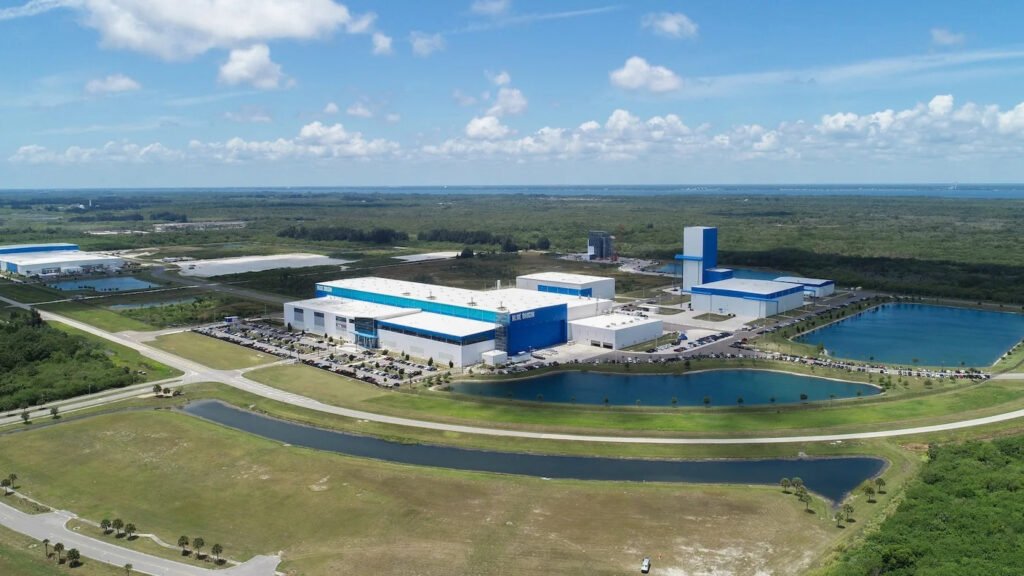
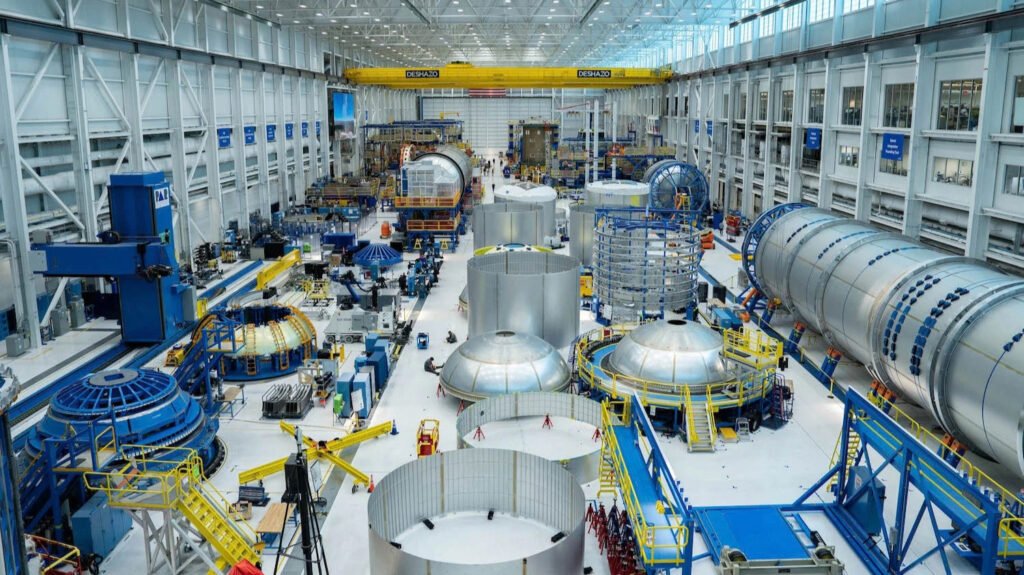
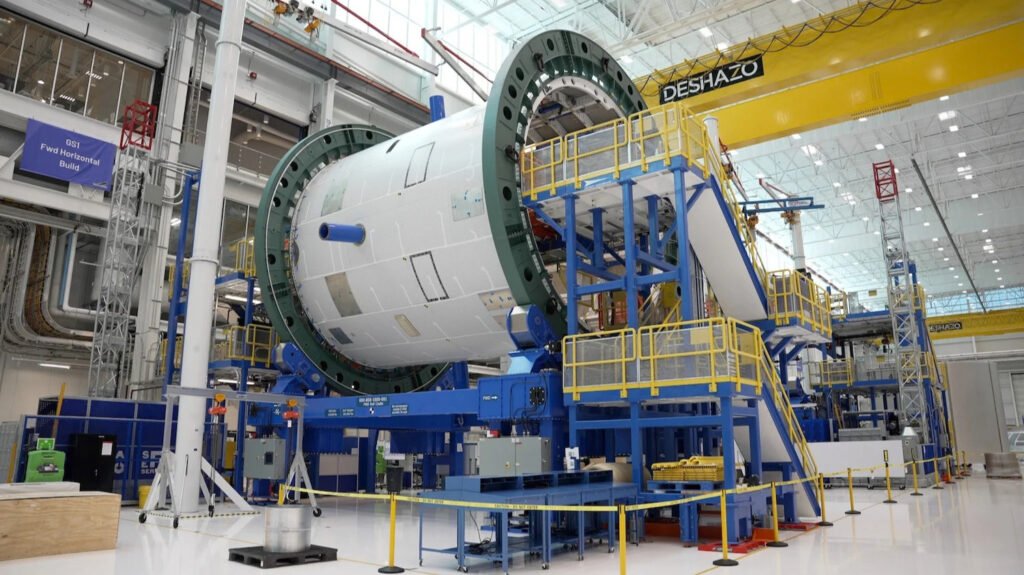
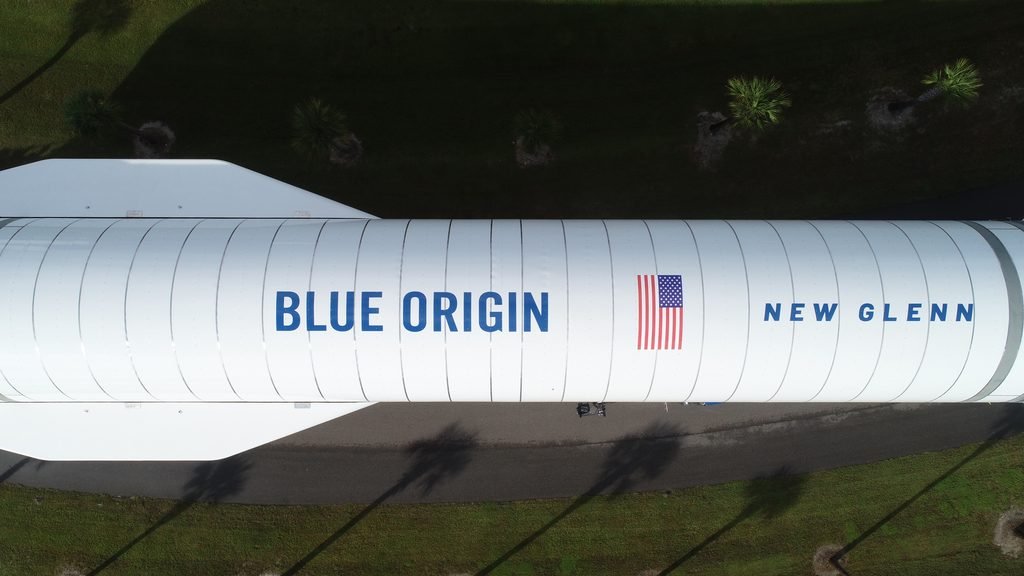
Images Credit: Blue Origin
I had a hand in designing and building every facility on the manufacturing campus, outfitted the rocket factory with tooling, hired a team, and built the development, qualification, and first flight articles for the New Glenn rocket. I wore a lot of hats over the years I was there and walked away with more good memories than I can count. I even got to meet John Glenn’s daughter (Lyn Glenn), Bill Nye the Science Guy, and NASA Administrator Jared Isaacman.
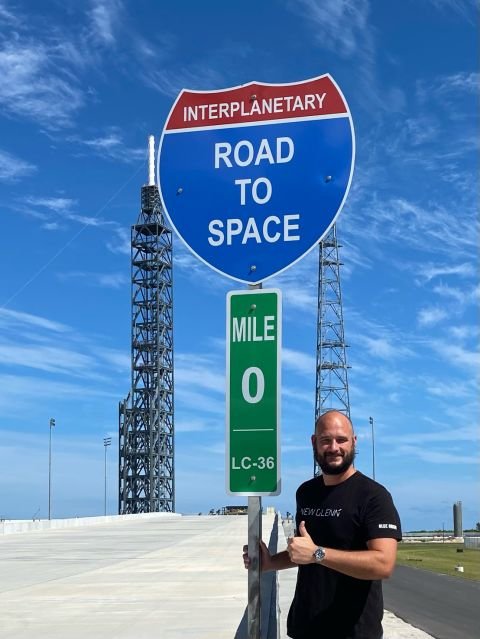
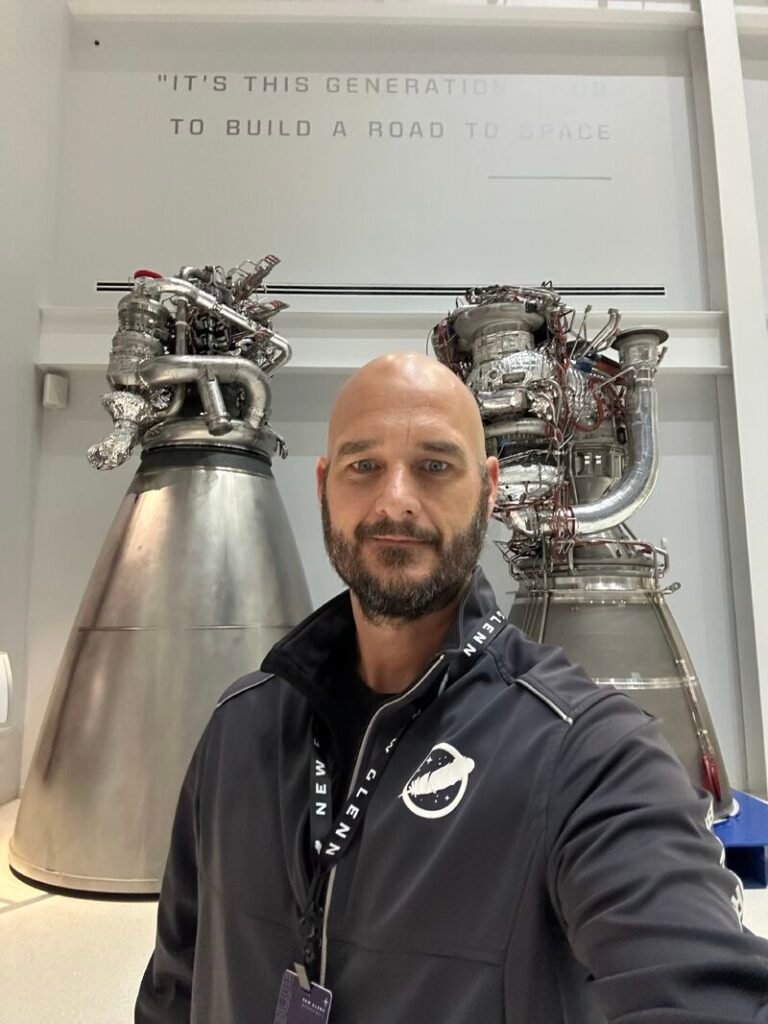
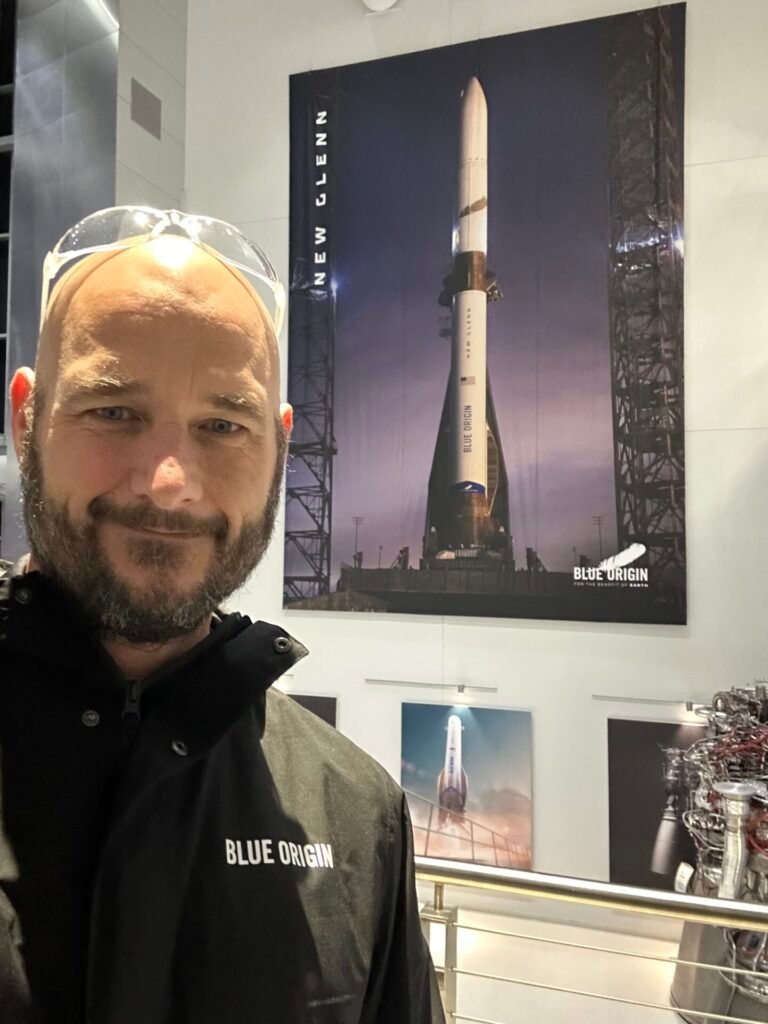

I like to say that my goal in life is to make the greatest positive impact on the world that I can, and to have good stories to share when I get to the retirement home. I was well on my way to achieving both, but I knew I had more to give.
Time For Something New
In early 2025, that chapter came to a close. Blue Origin had grown and matured, was doing amazing things, and would continue to do so without me. It was time to move on. It was time to take it to the next level. It was time to start something new.
What happened next wasn’t a lightning-bolt moment. I had the time, experience, energy, and opportunity to intentionally choose my next adventure. I spent real time going through every option, writing them down, scoring them against each other, ruling most of them out for good reasons. I used the same decision-making rigor and processes that I learned for designing new space systems.
Starting a company wasn’t an impulse. It was the next step in the same mission I’d already spent two decades working toward: opening space up to everyone, not just the elite professional astronauts and the uber-wealthy.
The question I kept coming back to was simple: “If I can’t make space radically more accessible from inside an existing company, then how else can I do it?”
When I finally shared my conclusions with my wife, she responded, “I could have told you that a long time ago. You haven’t stopped talking about it!” Two wildly different approaches, same conclusion. I took that as a sign to proceed.
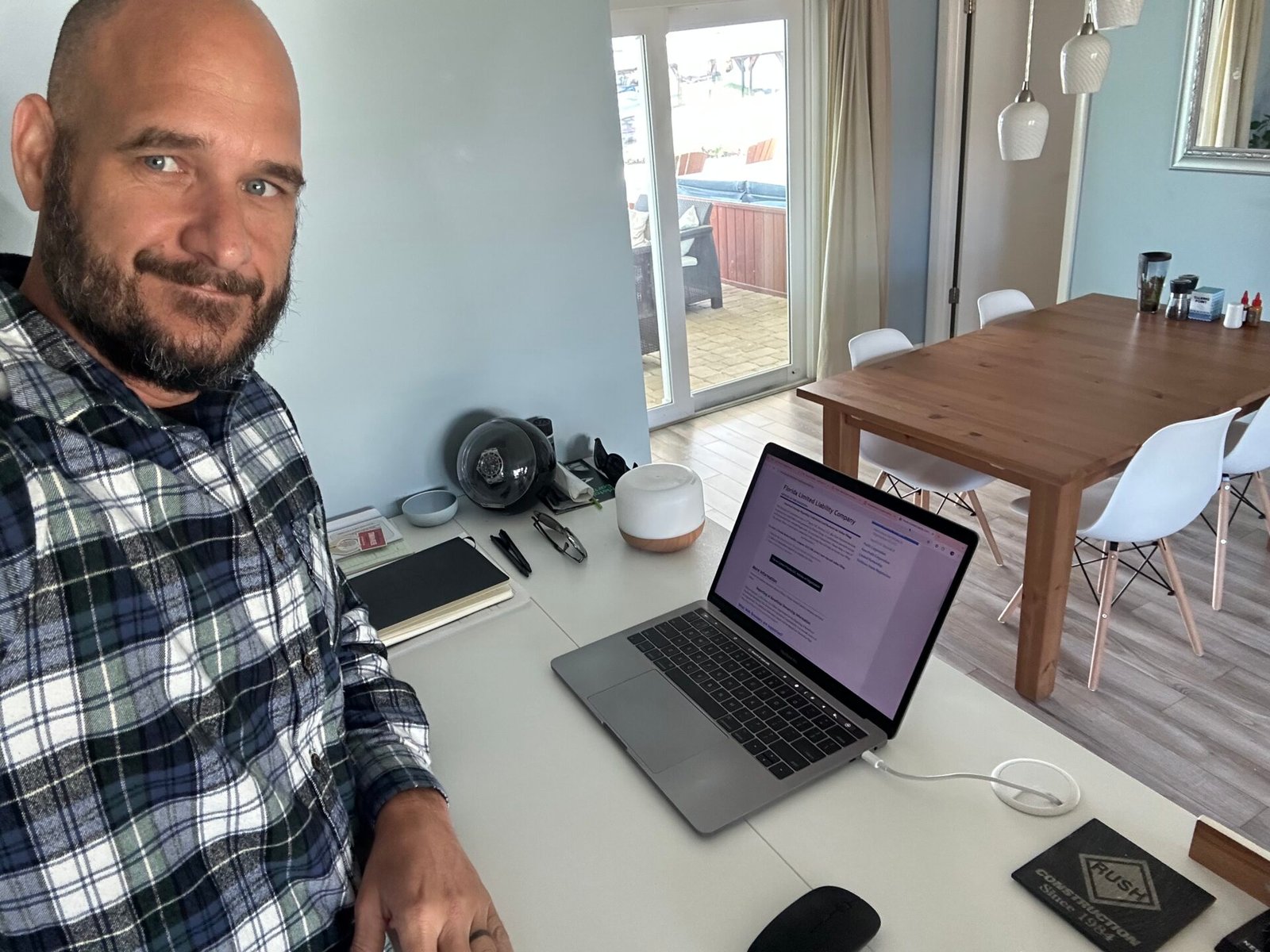
Where Are They Now?
Around that same stretch of time, I watched a distant family member’s ashes scattered at sea. It was a beautiful moment, and real closure for those assembled. Afterward I started thinking: where are they now? You can’t track where ashes go once they’re scattered in the ocean. No coordinates. No updates. Nothing to look up.
And then it dawned on me. We track every satellite we put into orbit. All of them. That part was already solved. It just hadn’t been pointed at this particular use case yet. I could “invent” space memorials. Or so I thought.
Why $249
After a little searching on the internet, I learned that space memorials have existed since the 90s. I also quickly learned that every existing option was priced like luxury experiences, completely out of reach for most. The rideshare revolution happening in commercial rocketry meant that the direct costs were dropping significantly. If I could strip out the corporate overhead and indirect costs, I’d be able to make space accessible for everyone. Space Beyond became my answer to both problems at once: a way to send a portion of someone’s ashes into orbit, without needing to be wealthy to do it. Space would no longer be the exclusive domain of the wealthy.
$249. The cost of a modest TV. People sometimes ask how the math works at that price. Here’s my honest answer: it is extremely challenging to launch anything to space at such a low price. But at the end of the day, it’s just another engineering problem to solve, and that’s what I do best. I started from the bottom up, with the goal of keeping the absolute lowest price I could. Every single dollar had to earn its place in the final price.
No executives telling me to chase margins over meaning. Keep it lean. If it doesn’t benefit the client, don’t do it. Keep the price honest, straightforward, and clear. Never compromise the dignity of what we’re doing for people.
If you want to see what independent reporters found when they looked into all of this themselves, the full story is here.
Why I’m Telling You This
If you’ve got a container of ashes somewhere in your house with no real plan for it, you are not alone and you are not doing anything wrong. An estimated 50 million households in this country are holding onto cremated remains right now, a lot of them for years, waiting for something that finally feels right.
One of our clients said it better than I ever could:
“It is the only decision that has brought us the greatest peace in losing our space loving son. We are grieving with purpose. We anticipate the launch date, rather than the foreboding passing of days, months, to yearly anniversaries of his passing date… Being able to celebrate, anticipate and continue to love truly does keep someone you cherish, alive within your own heart and spirit for all the right reasons.” ~Melanie
I built this company for you. The everyday folks wondering what to do with someone you loved. Finding nothing that feels quite right. Space is now an option for you, for the ones you love. For Melanie. And for everyone else in a similar place.
If you want to see exactly what that looks like, here’s how it works.
The final frontier belongs to everyone. And we’re going there together.
— Ryan
P.S. if there’s any part of this story you’d like to hear more about, just comment and let me know.